




A slab leak is a water or sewer line leak occurring beneath the concrete foundation of your home. It’s one of the most damaging plumbing problems an Encino homeowner can face – not because the leak itself is large, but because it can run undetected for weeks or months, quietly eroding soil, warping flooring, and creating conditions for mold growth deep inside the structure.
Encino’s housing stock makes this issue especially relevant. A large percentage of homes in neighborhoods like Encino Village, Amestoy Estates, and Encino Manor were built on slab-on-grade foundations during the 1950s and 1960s, with copper water lines and cast iron waste lines embedded directly beneath the concrete. After 50 to 70 years of service, those pipes are reaching the end of their expected lifespan – and when they fail, they fail under the slab where you can’t see them.
What Causes Slab Leaks in Encino Homes
Copper pipe corrosion. The hot water lines running beneath your slab are especially vulnerable. Copper gradually corrodes from the outside in when it’s in contact with reactive soil chemistry – and Encino’s clay-heavy, mineral-rich soil accelerates that process. Hot water lines corrode faster than cold lines because heat accelerates the chemical reaction.
Soil expansion and contraction. Encino’s clay soils expand when wet and contract when dry. This seasonal movement puts mechanical stress on buried pipes, especially at connection points and elbows. Over time, this repeated stress causes pinhole leaks or full joint failures.
Seismic activity. Even minor tremors – common across the San Fernando Valley – can shift the soil beneath a slab foundation enough to stress older rigid pipe materials. A pipe that was perfectly fine last year can develop a crack after ground movement that you barely felt on the surface.
Abrasion from pipe movement. In some slab installations, copper pipes weren’t properly bedded or sleeved. When water flows through the pipe, it vibrates slightly against the concrete or gravel surrounding it. Over decades, that friction wears through the pipe wall from the outside.
Warning Signs of a Slab Leak
Most slab leaks aren’t dramatic. There’s no burst pipe gushing water across your kitchen floor. Instead, the signs are subtle and easy to dismiss – which is what makes them dangerous.
An unexplained spike in your LADWP water bill. If your usage habits haven’t changed but your bill jumped 20 to 50 percent or more, water is going somewhere you can’t see it. A continuously running leak beneath the slab, even a small one, adds up fast over a billing cycle.
Warm spots on the floor. If a hot water line is leaking under the slab, you may feel unusually warm areas on tile or hardwood flooring. This is one of the more reliable early indicators – the heated water warms the concrete from below and the temperature difference is noticeable when you walk across the area barefoot.
The sound of running water when nothing is on. Stand in a quiet room on the ground floor and listen. If you can hear water flowing or hissing faintly through the floor or walls when every fixture in the house is turned off, that’s a strong signal.
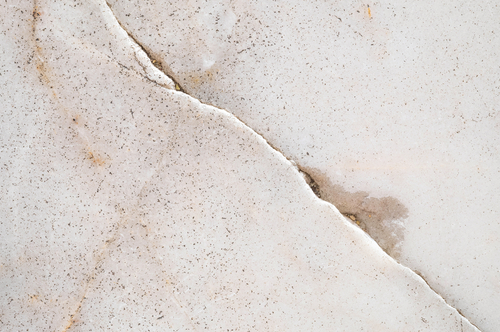
Cracks in the foundation or walls. A sustained slab leak erodes the soil beneath the foundation, causing localized settling. This shows up as new cracks in the slab itself, in interior walls (especially near the floor), or in exterior stucco.
Damp or warped flooring. Carpet that’s damp in one area, hardwood that’s buckling, or tile grout that’s suddenly discolored can all indicate water migrating up through the slab.
Mold or mildew smell without a visible source. When water saturates the soil and concrete beneath your home, it creates moisture conditions that promote mold growth in areas you can’t access or see.
How Professional Slab Leak Detection Works
A licensed plumber uses specialized equipment to confirm and locate a slab leak without cutting into the concrete.
Electronic leak detection uses sensitive acoustic equipment to listen for the sound of pressurized water escaping a pipe. The plumber places sensors on the floor and isolates sections of the plumbing system to narrow down the leak location. This method can pinpoint a leak within inches.
Thermal imaging identifies temperature anomalies on the surface of the floor. A hot water line leak creates a warm signature that a thermal camera picks up clearly, even through tile or wood flooring.
Pressure testing isolates individual water lines and monitors for pressure drops. If a line can’t hold pressure, it’s leaking – and the rate of pressure loss indicates the severity.
At American Plumbing And Water Damage Restoration, we use a combination of these methods to locate slab leaks with precision before recommending any repair approach. Accurate detection is critical because the repair method depends entirely on where the leak is, which line is affected, and how accessible it is.
Repair Options for Slab Leaks in Encino
Once the leak is located, there are several ways to address it.
Spot repair involves cutting into the slab at the precise leak location, repairing or replacing the damaged section of pipe, and patching the concrete. This works well when there’s a single, isolated leak in an otherwise healthy pipe.
Reroute (repipe). When the leaking pipe has widespread corrosion and is likely to fail in other locations soon, the better long-term solution is to abandon the under-slab line entirely and reroute a new water line through the walls or attic. This avoids future slab cuts and gives the homeowner a completely new pipe on a predictable lifespan.
Epoxy pipe lining. For certain applications, the damaged line can be rehabilitated using an internal epoxy coating or liner similar to trenchless pipelining – sealing cracks and corrosion from the inside without excavation.
The Connection Between Slab Leaks and Water Damage
A slab leak that runs undetected doesn’t just waste water – it saturates the soil, the concrete, and eventually the materials above the slab. Flooring, baseboards, drywall, and cabinetry can all sustain damage. If the leak has been active long enough, mold remediation may be required in addition to the plumbing repair.
This is exactly why American Plumbing And Water Damage Restoration operates as both a licensed plumbing contractor and an IICRC-certified water damage restoration company. If a slab leak has caused damage beyond the pipe itself, we handle both the repair and the restoration – no need to coordinate between separate companies.
According to the Insurance Information Institute, water damage and freezing are among the most common homeowner insurance claims in the United States. Documenting a slab leak early and having it professionally repaired strengthens your position if you need to file a claim.
Don’t Ignore the Signs
If you’ve noticed any combination of the warning signs above – especially in an older Encino home with original copper or cast iron plumbing – schedule a leak detection appointment before the damage compounds.
At American Plumbing And Water Damage Restoration, we’ll locate the leak, show you exactly what’s happening, and walk you through your options with honest pricing. No guesswork, no pressure.
Call (818) 765-7240 to schedule slab leak detection in Encino, CA – before that small sign becomes a major repair.