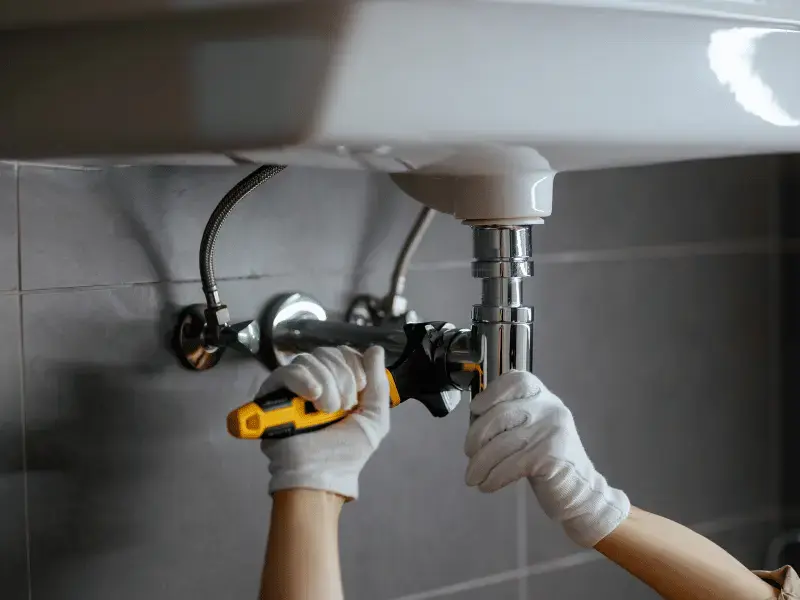





Quick Answer: Soap scum in drain happens when soap reacts with hard water minerals like calcium and magnesium, creating a sticky residue that clings to pipe walls. Over time, this insoluble film mixes with hair, product residue, and other debris, causing slow drainage, odor, and recurring bathroom clogs. The problem is worse in homes with soap scum and hard water because more mineral reaction means faster buildup. What looks like a small bathroom nuisance can gradually reduce water flow inside drain pipes, strain the plumbing system, and lead to expensive cleanup if it is ignored. Catching the signs early is the easiest way to keep bathroom plumbing clear.
What Causes Soap Scum
Soap scum forms when real soap mixes with hard water and creates a residue that does not rinse away cleanly. That reaction is the reason soap scum in drain develops in bathrooms instead of simply washing through the plumbing.
The chemistry is simple but important. Soap contains fatty acids, and when those fatty acids react with calcium and magnesium in water, they form a chalky residue and sticky residue that clings to surfaces. In bathrooms, that residue appears on tubs, tile, glass, and inside the drain opening. Over time, it also coats the inside of drain pipes.
This is why soap scum is not just leftover soap sitting on a surface. It is actually a new material created by a reaction between soap and minerals. In many homes, this issue becomes worse where water hardness is high and bathroom fixtures are used heavily every day.
Another plumbing problem which homeowners often face is drain clogged with grease, but in bathrooms the buildup is more often caused by soap residue, hair, and hard-water minerals instead of cooking fats.
Why Bathroom Plumbing Collects Soap Scum Faster
Bathroom plumbing collects buildup faster because it handles daily rinsing of soap, shampoo, body wash, and grooming products in smaller pipes than many kitchen lines. That makes bathroom drains ideal places for residue to attach and thicken.
Each shower or sink use sends soap, fatty acids, skin residue, and product film into the line. If the home has hard water, the reaction starts immediately. The mixture forms a coating that sticks to pipe walls, narrows the passage, and slowly reduces flow. Over time, soap scum in drain areas becomes a repeated issue rather than a one-time clog.
This is especially common in showers, bathtubs, and bathroom sink drains because these fixtures deal with soap every day. When the residue combines with trapped hair or product waste, the clog gets denser and harder to remove.
Can Soap Scum Clog a Drain
Yes, can soap scum clog a drain is an important question because the answer is absolutely yes. Soap scum alone can narrow the line, and when it combines with hair clogs, toothpaste, shaving residue, or dirt, it can create a full clogged drain.
At first, the buildup only causes slow drainage. Water still passes, but less efficiently. As the residue thickens, it traps more debris and more soap. Eventually, the drain may develop standing water, foul smell, and recurring blockage after every shower or sink use.
That is why soap scum in drain problems often seem to “come back” even after a simple cleaning. The upper part of the clog may be removed, but the sticky coating deeper in the line stays attached. In severe cases, homeowners turn to a fast emergency drain cleaning solution when the bathroom drain stops working completely.
How Soap Scum Builds Up Inside Drain Pipes
Soap scum buildup happens in layers. A thin film forms first, then more residue attaches to it, and the pipe gradually loses usable space.
Inside the drain, soap residue hardens into an insoluble film that clings to pipe walls. That film catches hair, toothpaste, facial products, and grooming waste. Because the surface is now rough and sticky, each new shower or sink use adds another layer. Over time, the line becomes narrower and less efficient.
The result is reduced water flow, weaker drainage performance, and more clogging risk. In some cases, buildup also contributes to reduced water pressure symptoms at nearby fixtures because the line no longer carries wastewater efficiently away from the room.
This is one reason many homeowners miss the problem early. The drain still works, but it drains more slowly every week until it reaches repeated backups.
Where Soap Scum Shows Up First in a Bathroom
Soap scum usually shows up first where water evaporates or slows down: the drain opening, stopper area, overflow channel, tub surface, and shower walls. These are the places where residue becomes visible before the deeper drain issue is obvious.
Common early spots include:
- The rim of the shower drain
- The drain cover in a bathroom sink
- Around faucets and sink basins
- On bathtubs and tile near the drain
- Around shower doors and fixtures
This is also where homeowners begin searching for what takes off soap scum because the residue is visible on bathroom surfaces before they realize it is building up inside the pipes too.
A good clue is whether you also struggle to clean bathtub soap scum repeatedly. If the same residue keeps returning fast, the water chemistry and the plumbing buildup are both part of the problem.
Early Signs of Soap Scum in Drain
The earliest signs are usually mild, but they matter. Catching them early can prevent a much harder cleanup later.
Watch for these symptoms:
- Slow drainage after showering or brushing teeth
- A white or gray chalky residue near drain openings
- Recurring odor or foul odor from the bathroom
- Standing water in the tub or sink
- Gurgling after water drains
- Visible film on bathroom fixtures
- A drop in drainage efficiency that keeps returning
These warning signs matter because soap scum in drain rarely forms overnight. It builds gradually and then suddenly seems much worse when enough debris gets trapped in it.
Why Hard Water Makes Soap Scum Worse
Hard water makes the problem worse because it carries more dissolved calcium and magnesium, the exact minerals that react with soap and create scum. The harder the water, the faster residue forms.
That is why soap scum and hard water are so closely connected. If a home has mineral-rich water, even careful cleaning habits may not fully prevent buildup. More soap is often needed for the same cleaning result, which adds even more material to the drain and bathroom surfaces.
This can also shorten the useful life of parts of the plumbing system. As mineral deposits and soap residue combine, they can increase maintenance needs, support bacteria and mold growth on damp surfaces, and even affect indoor air quality when buildup and moisture stay trapped.
In recurring cases, local sewer camera inspection specialists may be needed to confirm whether the problem is just soap buildup or whether the line also has deeper compaction, misalignment, or other damage.
Does Bar Soap Clog Drains
Yes, does bar soap clog drains is another common question, and the answer is often yes more than liquid soap does. Traditional bar soap is more likely to react strongly with hard water and form scum.
That does not mean liquid soap never causes buildup. It can still leave residue, especially when mixed with other bathroom products. But bar soap tends to contribute more heavily because its ingredients react more readily with hard water minerals and create a thicker scum.
So if one bathroom clogs repeatedly and another does not, the type of product being used can be part of the reason.
What Takes Off Soap Scum
The best cleaners for visible buildup are mild acids, gentle abrasives, or targeted bathroom products designed to break apart soap residue without damaging surfaces. The goal is to loosen the residue, not grind the finish underneath it.
For bathroom surfaces, common options include:
- White vinegar
- Baking soda
- A paste of baking soda and water
- Mild soap-scum cleaners
- In some cases, hydrogen peroxide for soap scum
Tip: Use surface cleaners carefully. A cleaner that works on tile or glass may not be right for natural stone, metal finishes, or some sink materials.
This surface cleaning matters because visible residue usually means soap scum in drain is building too. But surface cleaning alone will not fully solve deeper pipe buildup.
How to Dissolve Soap in Drain
The safest way to dissolve light buildup is to soften it gradually and flush it before it becomes dense. This is most effective when the drain is only slowing, not fully blocked.
Safe First Steps for Light Drain Buildup
- Remove visible hair and residue from the drain opening.
- Pour warm or hot water down the drain if the pipe material allows it.
- Add white vinegar and let it sit for 15 to 30 minutes.
- Follow with baking soda for added loosening power.
- Flush with more warm water.
- Use a small drain snake if the upper clog is still present.
- Test drainage with a small amount of water first.
This is the most practical answer to how to dissolve soap in drain when the buildup is mild. If the line keeps slowing down soon after, the residue is probably deeper and thicker than a light flush can solve.
DIY Remedies That Help Before the Drain Fully Clogs
Some DIY options help at the early stage, especially before the buildup becomes compacted farther down the line.
A simple home remedy for soap scum is a mix of white vinegar and hot water followed by baking soda. This helps loosen surface and near-surface residue. A drain snake can help remove trapped hair that is holding the scum in place.
Some homeowners also try hydrogen peroxide for soap scum, especially on visible bathroom surfaces where mold or discoloration is present. It may help with whitening or residue breakup on certain surfaces, but it is not a complete fix for deep pipe buildup.
Quick fix: If water is still moving, remove surface hair first. Hair is often the structure that holds the soap buildup together and makes the drain seem worse than it is.
What Not to Do When Bathroom Drains Slow Down
Some common habits make the problem worse instead of better.
Do not:
- Keep pouring harsh chemicals down the drain
- Assume boiling water is safe for every pipe material
- Push deeper with random tools that may compact the clog
- Ignore repeated backups because they “eventually drain”
- Keep adding more soap or cleaners hoping it will wash away
This matters because soap scum in drain clogs often return when the blockage was only partially opened. Repeated aggressive attempts can compact buildup farther down the line or damage older plumbing.
Why Clogs Keep Coming Back After You Clear Them
Recurring clogs usually mean the drain was never fully cleaned. Only the center path opened while the coating on the walls remained in place.
That is why a drain can seem fixed for a few days and then slow down again. The remaining residue still narrows the line, catches new debris, and rebuilds quickly. In older homes, damaged or rough pipe surfaces make this happen even faster.
When buildup returns repeatedly, it may point to:
Problem | What It Means | Likely Result |
Surface debris removed only | Deep residue still inside line | Fast recurrence |
Heavy hair clogs | Soap keeps attaching to trapped hair | Slow drainage |
Too much bar soap use | Stronger soap/mineral reaction | Faster scum formation |
High hard water | More calcium and magnesium in flow | Thicker buildup |
Pipe condition issue | Rough or misaligned drain interior | Chronic repeat clog |
When DIY Stops Working and the Problem Is Deeper
If you have removed visible hair, tried flushing safely, and still have repeated drainage problems, the issue is likely deeper than the drain opening.
Professional cleaning becomes more valuable when the buildup has attached firmly to the pipe wall. In those cases, plumbers may use tools such as motorized augers, wall-cleaning equipment, or hydro-jetting to remove the buildup more completely.
This is also when inspection matters. If the same bathroom line clogs again shortly after cleaning, a camera inspection can reveal whether the real cause is compacted residue, pipe wear, sagging, or partial damage.
Professional Cleaning Options That Remove Soap Scum More Completely
Professional cleaning works better because it clears more than the visible clog. Instead of just opening a small path through the blockage, it aims to remove the buildup along the full interior wall.
Common professional methods include:
- Drain snake or auger for upper blockages
- Mechanical removal of compacted residue
- Full-pipe flushing with hydro-jetting
- Camera diagnosis of recurring clogs
For deeper issues, professionals may identify whether soap scum in drain is the only problem or whether there are structural issues in the line as well. Sometimes homeowners assume the clog is just soap, when a break, belly, or hidden obstruction is also contributing.
If a backup is severe or affects more than one bathroom fixture, a 24/7 plumbing company may be needed to stop water damage before it spreads.
Prevention Habits That Actually Work
The best long-term strategy is reducing both the source of residue and the conditions that let it collect.
Prevention Habits for Cleaner Bathroom Drains
- Switch from bar soap to liquid soap where possible.
- Use a drain catcher to stop hair before it enters the line.
- Flush the drain weekly with warm water.
- Wipe product residue out of sinks instead of rinsing everything down.
- Clean visible drain covers and stoppers often.
- Address hard water with a water softener if buildup is constant.
- Schedule periodic cleaning if the bathroom sees heavy daily use.
These steps help because the best way to stop soap scum in drain is to limit what reaches the pipe and remove buildup before it hardens.
Surface Buildup vs Drain Buildup
A lot of homeowners treat visible scum and pipe buildup as separate issues, but they are usually connected. If your shower or tub has heavy residue, the same chemistry is likely affecting the drain.
Surface Sign | Likely Drain Condition | What To Do |
White film on tub or sink | Early scum formation in pipe | Clean surfaces and flush drain |
Repeated need to clean bathtub soap scum | Ongoing mineral/soap reaction | Check water hardness |
Drain odor with visible scum | Deeper buildup trapping waste | Remove residue and inspect drain |
Shower drains slowly and leaves film | Pipe narrowing from scum + hair | Use catcher and clean upper drain |
Surface stays clean briefly, then scums again | Water chemistry unresolved | Consider softening or deeper cleaning |
Why Homes Should Pay Attention to This
In many residential areas, homes often have a mix of older plumbing systems, mineral-heavy water conditions, and heavily used bathroom fixtures. That combination can cause soap buildup to appear faster and become more stubborn than homeowners expect.
Homes with aging drain lines or older plumbing materials allow residue to stick more easily to pipe walls. In these properties, soap scum in drain problems may first appear as slow shower drains or bathroom sink issues, then gradually turn into recurring clogs.
This pattern is why repeated bathroom drainage problems should not be ignored just because the water “eventually goes down.” Over time, buildup inside pipes can thicken, restrict water flow, and create deeper blockages within the household plumbing system.
Stop Soap Scum Before It Turns Into a Bigger Drain Problem
If your shower, tub, or sink keeps slowing down, smells bad, or clogs again soon after cleaning, it is time to solve the real cause instead of repeating surface-level fixes. American Home Repair Services helps homeowners find hidden drain buildup, clear stubborn bathroom blockages, and restore proper flow before soap residue turns into a larger plumbing issue.
Call American Home Repair Services at 8187657240 to schedule service and keep your bathroom plumbing clear, clean, and working the way it should.
FAQs About Soap Scum in Drain
Why does soap scum in drain keep coming back?
It usually comes back because the residue on the pipe walls was never fully removed, and the home still has hard water or heavy soap use feeding new buildup.
Can soap scum in drain cause a full clog?
Yes. Soap scum can narrow the drain, trap hair and debris, and eventually create a full blockage if it is not addressed early.
Is bar soap worse than liquid soap for soap scum in drain?
In many homes, yes. Bar soap reacts more strongly with hard water minerals and tends to leave heavier residue than liquid soap.
Does vinegar help with soap scum in drain?
It can help loosen light buildup and is useful for maintenance, but it may not fully remove deeper compacted residue inside the line.
When should I call a plumber for soap scum in drain?
Call when drains keep slowing down, standing water returns, odors persist, or DIY cleaning only works for a short time.