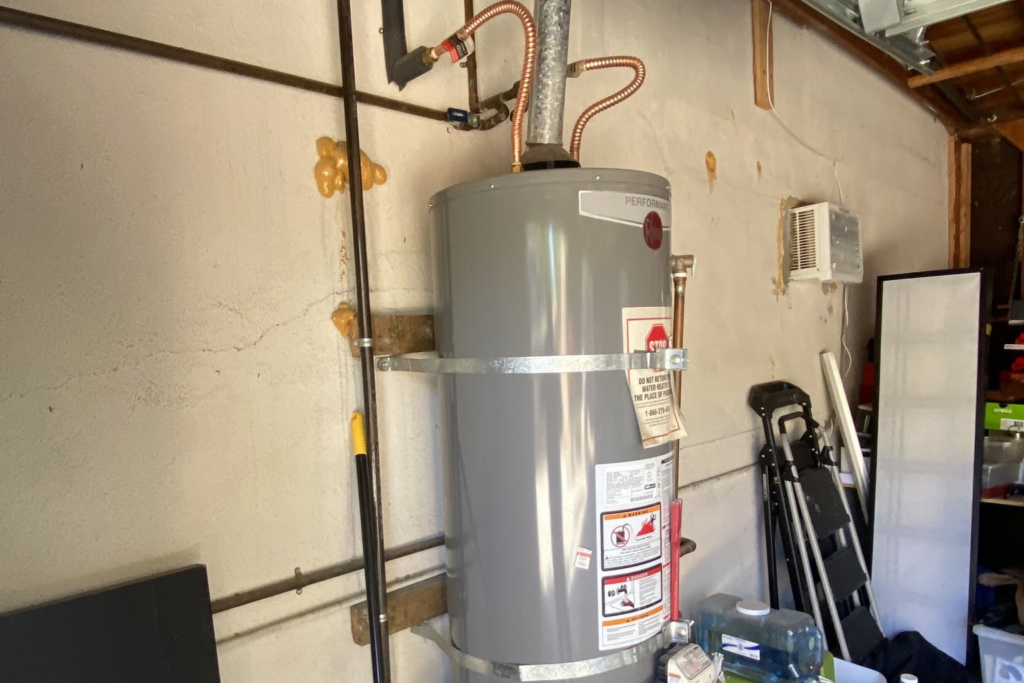





Publication Status: Draft Approval Status: Pending Suggested Meta Description: Hot water flowing slowly while cold water is normal? Learn what the fixture pattern can reveal and when to request water heater repair in Encino. CTA Included: Yes # Why Is My Hot Water Pressure Low When Cold Water Is Normal? If cold water flows normally but hot water is noticeably weaker, the restriction is more likely to be at one fixture or somewhere along the hot-water path. That difference makes a whole-home incoming-water problem less likely, but it does not identify a failed part by itself. The cause may be as local as a faucet component or as broad as a valve, connector, water-heater outlet, or buildup affecting hot flow to several fixtures. Homeowners often call the symptom “low pressure,” even when the main concern is reduced flow from the spout or showerhead. A plumber can determine whether the pressure is actually low, whether flow is being restricted, and where the hot and cold paths begin to behave differently. A weak hot side does not automatically mean the water heater needs replacement. ## Start With One Fixture or Several The most useful first observation is how many fixtures are affected. If hot flow is weak at one sink while the shower, another sink, and other hot fixtures are normal, the restriction may be close to that one fixture. An aerator, faucet cartridge, local shutoff, or flexible supply connector may be limiting flow. Those parts still need to be checked safely, especially if the change followed plumbing work or a valve adjustment. If hot flow is weak at several fixtures but cold flow remains normal at those same locations, the shared hot-water path deserves attention. The restriction may be near the water heater, at a valve or connector, or within hot-water piping. A tankless system may also have an inlet screen or scale condition that affects available flow. These are possibilities to test, not conclusions to draw from the symptom alone. The existing information about [low water pressure in Encino homes](https://americanhomerepairservices.com/local-insights/low-water-pressure-encino-homes/) covers broader pressure problems. A cold-normal, hot-weak pattern is narrower because the two sides can be compared at the same fixture. ## Compare Hot and Cold Without Running Water Excessively At a fixture that is safe to use, briefly compare cold-only and hot-only flow. Use the same faucet position or shower setting so the comparison is meaningful. There is no need to fill a container, leave water running for several minutes, or repeat the check throughout the house. Stop if the hot flow is nearly zero, the water is unusually hot, discolored, or accompanied by leakage. Write down a few details that can help the plumber focus the inspection: – Which sinks, showers, tubs, or appliances have weak hot flow. – Whether cold flow is normal at each of those same fixtures. – Whether the change was sudden or became noticeable over time. – Whether the hot water also changed temperature, color, odor, or sound. – Whether a faucet, shutoff, supply connector, water heater, or nearby pipe was recently serviced. – Whether you can see dripping, dampness, corrosion, or staining without touching equipment. – Whether the symptom changes while another fixture is in use. These observations help map the pattern. They do not require opening the heater, removing an aerator, forcing a valve, or testing gas and electrical components. ## One Weak Faucet Can Point to a Local Restriction A single affected faucet or shower often shifts the first inspection toward that fixture. Debris can collect in an aerator or showerhead. A worn or obstructed cartridge can limit the hot side. A local shutoff may not be fully open, or a flexible connector may be kinked or internally deteriorated. The symptom may also appear after repair work if material moved through the line. The exact component depends on the fixture design and what changed before the weak flow began. A homeowner should not force a stiff shutoff or disassemble a cartridge just to confirm the theory. Older valves can leak when disturbed, and concealed connections can turn a small flow problem into water damage. When only one fixture is affected, tell the plumber which one it is and whether the hot side changed suddenly. That can prevent unnecessary attention to a water heater that is still delivering normal flow everywhere else. ## Several Weak Hot Fixtures Shift Attention Upstream When several fixtures share weak hot flow, the common part of the hot-water path becomes more important. Water leaving a tank-style heater passes through the hot outlet and connected piping before branches carry it to individual fixtures. A restriction at or near that shared point can reduce hot flow in more than one room while cold flow remains normal. Possible conditions include a partially closed or failing valve, an internally restricted connector, mineral or sediment accumulation, or a restriction in hot-water piping. The pattern may be uneven if some fixtures are closer to the heater, use different branch lines, or have their own local restrictions. An inspection should determine where the change begins before anyone recommends a flush, valve replacement, pipe repair, or new heater. American Home Repair Services lists water-heater work within its [residential plumbing services](https://americanhomerepairservices.com/services/residential-plumbing/), so the evaluation can follow both the equipment and the connected plumbing rather than assuming the tank alone is responsible. ## Tank and Tankless Systems Need Different Checks A tank-style water heater stores heated water and sends it through a hot outlet when a fixture opens. The plumber may check the visible connections, accessible valves, flow pattern, signs of leakage, and whether restriction is present before or after the heater. Sediment in a tank is sometimes discussed when hot flow changes, but the symptom alone cannot show how much material is present or whether it is causing the restriction. A tankless unit heats water as it passes through the system. Its inlet screen, service valves, heat exchanger condition, flow sensing, and installation can affect operation. Scale or debris may be relevant, but a temperature interruption is not the same as reduced flow. Reporting whether the water becomes cold, stays hot but weak, or changes both temperature and flow will help separate those symptoms. Do not remove a tankless cover, open service valves, begin a flush, or change control settings without the correct procedure and equipment. Gas, electrical, hot-water, and pressure hazards can be present even when the unit is not actively heating. ## Do Not Force Valves or Open the Water Heater A partly closed valve can sound like an easy explanation, but forcing a stiff or corroded handle can damage the valve or start a leak. Opening a tank, removing connectors, draining stored hot water, changing temperature controls, or handling gas and energized components creates risks that are not justified by a remote guess. Avoid these actions while the cause is unknown: – Do not force a shutoff or service valve in either direction. – Do not loosen a connector to “check” for blockage. – Do not drain or flush a tank-style heater as a diagnostic test. – Do not open a tankless or electric-water-heater panel. – Do not change temperature or safety controls to improve flow. – Do not use chemicals or improvised tools in water-heater piping. – Do not keep running hot water when flow is near zero or leakage is visible. If someone recently adjusted a valve or performed plumbing work, share that timing with the plumber. The information is useful without recreating the action. ## Treat Leaks, Gas Odor, and Electrical Signs as Urgent Weak hot flow can be inconvenient, but certain accompanying signs raise the priority. Stop using the affected hot-water system and keep clear of the equipment if you notice: – Active water leaking from the heater, a connector, valve, wall, or ceiling. – Water collecting near an electrical panel, receptacle, appliance connection, or energized equipment. – Smoke, sparking, melted wiring, or a burning odor. – A gas odor near a fuel-fired water heater or connected piping. – Hot water that is suddenly scalding or difficult to control. – Rusty, dark, cloudy, or otherwise unusual hot water. – Hot flow that has fallen to a trickle or stopped at several fixtures. Do not enter standing water near electricity or operate switches in the affected area. If there is a gas odor, avoid flames, sparks, and electrical switches, leave the immediate area, and contact the gas utility or emergency services from a safe location. If visible water is coming from the heater, the [water-heater leak information for Encino homes](https://americanhomerepairservices.com/local-insights/water-heater-leaking-encino-plumber/) explains why the leak itself needs prompt attention. ## What a Plumber Checks Before Recommending Repair A focused diagnosis begins by confirming the pattern. The plumber can compare hot and cold flow at selected fixtures, determine whether one branch or several are affected, and inspect accessible fixture components, shutoffs, connectors, valves, and water-heater connections. Pressure and flow measurements can help separate an incoming supply problem from a restriction that appears only on the hot side. The inspection may then trace where flow changes along the system. For one fixture, that may mean checking the local components and supply path. For several fixtures, it may mean evaluating the heater inlet and outlet, shared valves and connectors, hot-water branches, and the system-specific maintenance condition of a tank or tankless unit. The findings should determine the next step. A local component may need cleaning or replacement. A damaged valve or connector may need repair. A tankless unit may need service appropriate to its condition. Restricted piping or a water-heater problem may require a different scope. Replacement should be discussed only when the equipment condition, safety, repairability, capacity, age, or repeated failure history supports it. ## Request Water Heater Repair in Encino If hot water is weak while cold water remains normal, note whether the problem affects one fixture or several and avoid opening or adjusting the equipment. American Home Repair Services can inspect the hot-water path, identify where flow becomes restricted, and explain the repair options supported by the findings. [Contact American Home Repair Services](https://americanhomerepairservices.com/contact-us/) or call [(818) 765-7240](tel:+18187657240) to request water heater repair in Encino. Mention when the change began, which fixtures are affected, and whether you noticed leakage, discoloration, temperature changes, recent plumbing work, or gas or electrical concerns. — ## Internal Link Suggestions – Link `low water pressure in Encino homes` to `https://americanhomerepairservices.com/local-insights/low-water-pressure-encino-homes/` in the one-versus-several section. – Link `residential plumbing services` to `https://americanhomerepairservices.com/services/residential-plumbing/` in the several-fixture section. – Link `water-heater leak information for Encino homes` to `https://americanhomerepairservices.com/local-insights/water-heater-leaking-encino-plumber/` in the urgent-signs section. – Link `Contact American Home Repair Services` to `https://americanhomerepairservices.com/contact-us/` in the closing section. – Keep the verified telephone link in the closing section.