




A toilet that won’t stop running is one of the most common – and most expensive – plumbing problems homeowners ignore. It seems minor. The toilet still flushes. It just makes that hissing or trickling sound afterward. But that continuous water flow can waste 200 gallons or more per day. Over a billing cycle, that shows up as a significant spike on your LADWP water bill – and in drought-conscious Los Angeles, it’s water you literally cannot afford to waste.
Here’s what causes a running toilet, what you can check yourself, and when it’s time for a plumber to step in.
How a Toilet Tank Works (and Where It Fails)
Understanding the mechanics takes 30 seconds and makes everything else clearer.
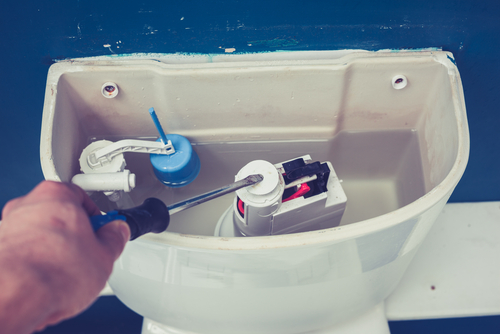
When you flush, the flapper valve at the bottom of the tank lifts, releasing water into the bowl. After the flush, the flapper closes and the fill valve refills the tank. When the water level reaches the correct height, the fill valve shuts off and the tank goes quiet.
A running toilet means one of those steps isn’t completing properly. Either the flapper isn’t sealing, the fill valve isn’t shutting off, or the water level is set too high and overflowing into the overflow tube.
The Three Most Common Causes
A worn or warped flapper. The flapper is a rubber or silicone seal at the bottom of the tank. Over time, it degrades – it warps, cracks, or develops mineral deposits on the sealing surface. When it can’t create a tight seal against the flush valve seat, water slowly leaks from the tank into the bowl. The fill valve detects the dropping water level and keeps running to compensate. This is the most common cause of a running toilet and the cheapest to fix.
A failing fill valve. The fill valve controls the water entering the tank after a flush. When it wears out, it may not shut off completely, allowing water to trickle continuously into the tank. Some fill valves develop a slow drip that’s almost inaudible – you may not hear the toilet running, but your water meter is spinning.
Incorrect float height. The float mechanism tells the fill valve when to stop. If it’s set too high, the tank fills past the overflow tube, and excess water flows directly into the bowl through the overflow – a constant, silent water loss. Adjusting the float is often a simple fix, but if the float mechanism itself is damaged, the fill valve assembly may need replacement.
What You Can Check Before Calling a Plumber
The food coloring test. Drop a few drops of food coloring into the tank (not the bowl). Wait 15 minutes without flushing. If colored water appears in the bowl, the flapper is leaking and needs to be replaced.
Check the water level. Remove the tank lid and look at where the water level sits relative to the overflow tube. It should be about half an inch below the top of the tube. If water is flowing into the overflow, the float needs adjustment.
Listen for the fill valve. After a flush, the tank should fill and then go completely silent within 30 to 60 seconds. If you hear a faint hiss or drip after the tank appears full, the fill valve isn’t shutting off completely.
When to Call a Plumber
Flapper and fill valve replacements are straightforward repairs that most licensed plumbers complete in under an hour. If you’ve tried replacing the flapper yourself and the toilet still runs, the flush valve seat (the surface the flapper seals against) may be corroded or damaged – that requires either a seat repair or a more involved tank rebuild.
For toilets that rock on the floor, leak at the base, or produce a sewer smell when flushed, the issue is below the tank – typically a failed wax ring or a damaged flange. These are not DIY repairs and need a plumber to remove the toilet, replace the seal, and reset it properly.
If you’re in an older Encino home and dealing with plumbing issues across multiple fixtures – a running toilet plus slow drains plus low pressure – the problems may be interconnected, and a comprehensive plumbing inspection will save you time and money versus addressing each issue individually.
According to the U.S. Geological Survey, a single running toilet can waste more than 6,000 gallons per month. In a region where LADWP tiered water rates penalize excess usage, fixing a running toilet is one of the fastest returns on a plumbing service call.
Stop the Waste – Get It Fixed
A running toilet is one of those repairs that costs far more in wasted water the longer you wait than it costs to fix. A licensed plumber resolves most running toilets in a single visit for a fraction of what you’d spend on inflated water bills over the next few months.
At American Plumbing And Water Damage Restoration, we handle toilet repairs and all residential plumbing services across Encino – fast, honest, and available 24/7.
Call (818) 765-7240 to schedule a repair and stop that running toilet from draining your wallet.